


Baby blues, postpartum depression
The baby blues
The so-called "crying days"
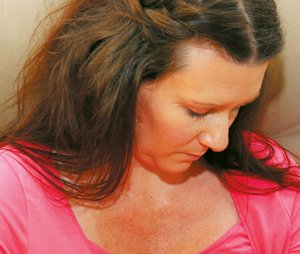
The birth of a child ushers in a massive change in life. The exhaustion after the exhausting birth, the lack of sleep and the hormonal changes are responsible for many women feeling sad, anxious and tearful on the second to fourth day. This is a completely normal reaction and nothing to worry about.
Possible changes in mood after the birth
- Sadness, melancholy
- increased sensitivity
- anxiety
- Irritability, pessimism
- Restlessness and insomnia
- difficulty concentrating, tiredness, exhaustion
- Frequent crying
- Mood swings (from crying to hearty laughter)
The symptoms should be taken seriously, but are usually overcome after a few days with loving care and support from your partner or relatives. Take the time to get used to the new role of "motherhood".
Postpartum depression
or postpartum depression
Postpartum depression can develop within the first three months after a birth and can start with the baby blues.
It is characterized by
- Exhaustion
- Feeling of inner emptiness
- lack of appetite
- feelings of guilt
- Worry about the child, contradictory feelings towards the baby
- Depressed mood, sadness, frequent crying
- Anxiety attacks, panic states
- sleep problems
- Physical complaints such as headaches, lack of energy, poor circulation, etc.
- suicidal thoughts
- Lack of concentration, constant tiredness
- Lack of interest in general things
- sexual reluctance
If any of these points apply to you or you notice them in your partner, professional help is advisable. Get in touch with the postnatal care midwife, your family doctor or gynecologist. They will recommend suitable counseling centers or specialists.
You can test yourself with the EPDS questionnaire (Edinburgh Postnatal Depression Scale). Please be sure to discuss your score with your postnatal midwife or gynecologist.
It is quite normal to feel insecure when dealing with the baby at the beginning. Get help and support at the hospital, but also at home from relatives, to give you a sense of security.
If your baby cries a lot, this does not automatically mean that you are doing something wrong, but that the children may also have difficulties adjusting to their new environment at first.
In the postpartum period, you have a special need for rest. Therefore, ask your relatives and friends to keep visits to a minimum.
Emotional crises
in the puerperium

| " If several points apply, a conversation could do you good. | |
|---|---|
| Crying | Tension |
| Irritability | Anxiety |
| Anger | Restlessness |
| Insomnia | Emotionality |
| Exhaustion | |

| " If several points apply, you should seek support. | |
|---|---|
| Frequent crying | lack of interest |
| irritability | anxiety |
| anger | Mood swings |
| insomnia | doubts |
| Tiredness | excessive demands |
| Moodiness | Body symptoms |
| Loss of appetite | Denial of the condition |

| " In this case, external support is urgently needed. | |
|---|---|
| Symptoms in Table 2 are very pronounced | Panic attacks |
| agitation | Severe anxiety |
| low need for sleep | Breathing difficulties |
| easy distractibility | dizziness |
| sluggishness | chills |
| irritability | constantly repeating negative thoughts |
| easy excitability | |