

• Startseite
  • Hauptnavigation
  • Inhalt
  • Suche
Klinikum Schärding - zur StartseiteKlinikum Schärding - zur Startseite
Für all Ihre Gesundheitsfragen - rund um die Uhr kostenlos: Ob bei Schmerzen, Fragen zu Medikamenten, Unsicherheit, ob ein Krankenhausbesuch notwendig ist, oder wenn Sie Ihren Arzt/Ihre Ärztin nicht erreichen: Wählen Sie zuerst 1450! 1450 Die Gesundheitsberatung rund um die Uhr
  • OOEG
  • Über uns
  • Kontakt
  • Patientenorientierung
  • Presse
Standorteübersicht
  • Deutsch
  • Türkçe
  • Українська
  • Patienten
    Patienten
    • Aufnahme / Anmeldung
    • Aufenthalt
    • Rechte und Pflichten
    • Entlassung / Abmeldung
    • Befundanforderung
    • Service
    • Seelsorge
    • Besuchsregelung und Besuchszeiten
    • Informations- und Beschwerdestelle
    • Selbsthilfe
    • Sicherheitshandbuch für Patientinnen und Patienten
    • Hilfe für Gewaltbetroffene
    • Ausweispflicht Info-Film
    • ELGA Information
    • Online-Grußkarte
    • Hausordnung
  • Fachbereicheaktueller Menüpunkt
    Fachbereiche
    • Akutgeriatrie und Remobilisation
    • Anästhesiologie und Intensivmedizin
    • Brustzentrum
    • Chirurgie
    • Dialyse
    • Endoskopie
    • Frauenheilkunde und Geburtshilfe
    • Innere Medizin
    • Kompetenzzentrum Hernienchirurgie
    • Konsiliarangebot
    • Medizinische und chemische Labordiagnostik
    • Notfallambulanz / Zentrale Aufnahme
    • Tagesklinik für Augenheilkunde
    • Tagesbehandlung für psychische Gesundheit
    • Radiologie
    • Tageschirurgie
    • Tumorzentrum
    • Unfallchirurgie
  • Therapie/Beratung
    Therapie/Beratung
    • Beatmung
    • Demenzbeauftragte
    • Diabetesberatung
    • Diät- und Ernährungsmedizinische Beratung
    • Entlassungsmanagement
    • Ergotherapie
    • Hilfe für Gewaltbetroffene
    • Hygienefachkraft
    • Logopädie
    • Onkologische Pflege
    • Palliativteam
    • Physiotherapie
    • Psychologie
    • Stoma- und Kontinenzberatung
    • Wundmanagement
  • Bildung
  • Jobs / Karriere
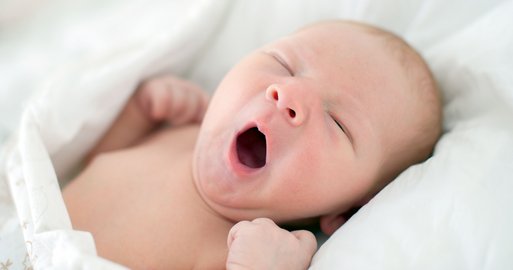
Baby in Decke eingewickelt gähnt

Das Wochenbett

  1. Klinikum Schärding
  2. Fachbereiche
  3. Frauenheilkunde und Geburtshilfe
  4. Elterninfo: Willkommen Baby
  5. Das Wochenbett
Übersicht
  • Frauenheilkunde
  • Geburtshilfe
  • Elterninfo: Willkommen Babyaktueller Menüpunkt
    • Stillen - ein Lernprozess für Mutter und Kind
    • Stillen - korrektes Anlegen und Stillpositionen
    • Stillen - Pflege der Brust
    • Essen und Trinken in der Stillzeit
    • Flaschennahrung
    • Das Wochenbettaktueller Menüpunkt
    • Babyblues, Wochenbettdepression
    • Rückbildung im Wochenbett
    • Sport nach der Geburt
    • Pflege des Kindes
    • Entlassungsinformationen

The puerperium begins after the birth of the child and ends six to eight weeks later. Changes caused by pregnancy and childbirth recede. The uterus shrinks to its original size, the abdominal muscles and pelvic floor become firmer. The hormones also change again. The hormones produced during pregnancy cease and a normal cycle slowly returns. This hormonal change can initially lead to mood swings.

Lochia

Blood and tissue residues are expelled from the uterus with the lochia. This is a typical sign of involution and lasts around four to six weeks.

What does lochia look like?

  • Bloody for the first 3 days after the birth, it quickly decreases.
  • By the end of the 2nd week, it turns brownish in color.
  • It turns yellowish by the end of the 3rd week.
  • After that, the lochia is a watery secretion.

It is important that you pay close attention to hygiene during this time, change the pads frequently and use pads without plastic, urinate regularly so that the uterus can regress and wash your hands thoroughly after using the toilet.

Episiotomy or laceration

Any episiotomy made during childbirth will heal during the puerperium. The stitches used do not need to be removed as they dissolve by themselves.
Try to keep the episiotomy as dry as possible, use only clean water when showering and allow the wound to air dry temporarily.

Hemorrhoids

Haemorrhoids that develop during pregnancy can be aggravated by pushing during childbirth and cause pain in the postpartum period. You can alleviate this discomfort with poultices or by applying a hemorrhoid ointment. Cleanse with clear, cool water.

Caesarean section

Do not do any abdominal exercises for four weeks after the caesarean section and make sure that you only lift things that do not hurt.

Menstruation and contraception

Depending on how long you have been breastfeeding, your period will return sooner or later. Watch out! You can become pregnant even if you do not have a period. Breastfeeding alone is not contraception.

If you have a fever, lower abdominal pain, foul-smelling menstrual flow, heavy bleeding in the first 4 to 6 weeks, breast pain or reddened breasts, be sure to contact your gynecologist or postnatal midwife!

You should have a routine check-up with your gynecologist after ten to twelve weeks.

  • Facebook
  • Instagram
  • Youtube
  • TikTok
  • Linkedin
  • Kununu
OÖG TV
Logo Oberösterreichische Gesundheitsholding GmbH – zur Startseite
Logo Land Oberösterreich – externer Link
Gemeinsam für Generationen.
©2026 Klinikum Schärding
  • Barrierefreiheit
  • Datenschutz
  • Impressum
  • Kontakt
Translation Notice

The content on this page has been automatically translated by an artificial intelligence (AI) into your selected language. We are not liable for translation errors. Only the German page is legally valid and the correctness of the content is only guaranteed on the German page.